
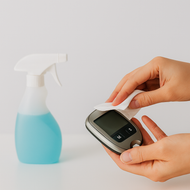
Why Home Disinfection Matters More Than You Think
Caring for health at home has become increasingly common across Australia. From NDIS participants and older Australians to people managing chronic conditions, many households now rely on medical equipment as part of everyday life. Items like blood pressure monitors, walking frames, shower chairs, and nebulisers are used regularly — often multiple times a day.
Because these devices don’t break the skin, they’re often seen as “low risk.” However, non-critical medical equipment can still harbour bacteria, viruses, and other germs, especially when handled frequently or shared between users. Without proper cleaning and disinfection, these everyday tools can become a source of cross-contamination in the home.
The good news is that effective disinfection at home doesn’t require clinical training or harsh processes. With the right disinfectants, simple routines, and a clear understanding of best practice, you can maintain a safer home care environment with confidence.
In this guide, we’ll explain:
- What non-critical medical equipment is
- Why regular disinfection is important
- Which disinfectants are suitable for home use
- Step-by-step cleaning methods
- Common mistakes to avoid
All recommendations align with Australian infection control principles and are practical for everyday home care.
What Is Non-Critical Medical Equipment?
Non-critical medical equipment refers to devices and items that only come into contact with intact (unbroken) skin. These items do not enter sterile areas of the body, but they still require proper cleaning and disinfection to prevent the spread of germs.
Common Examples Found in Homes
|
Category |
Examples |
|---|---|
|
Monitoring devices |
Blood pressure monitors, pulse oximeters, digital thermometers |
|
Walking frames, wheelchairs, crutches, canes |
|
|
Shower chairs, commodes, bed rails, raised toilet seats |
|
|
Respiratory equipment (external parts) |
Nebuliser masks, mouthpieces, tubing exteriors |
|
Support items |
Braces, splints, reusable supports |
While these items are considered lower risk than invasive equipment, regular disinfection is still essential, particularly when equipment is shared or used by people with compromised immunity.
Why Disinfecting at Home Is So Important
In healthcare settings, strict infection control processes are standard. At home, those same risks still exist - just in a less obvious way.
Risks of Poor Disinfection
- Germs are transferred from hands to equipment and back again
- Bacteria survive on hard surfaces for days
- Increased infection risk for elderly or immunocompromised users
- Cross-contamination between family members or carers
Regular disinfection helps to:
- Reduce the spread of illness
- Maintain hygiene standards at home
- Extend the lifespan of medical equipment
- Provide peace of mind for carers and families
Cleaning vs Disinfecting: Understanding the Difference
One of the most common mistakes in home care is confusing cleaning with disinfecting.
Cleaning
- Removes dirt, dust, and organic matter
- Uses detergent and water
- Does not kill most germs
Disinfecting
- Uses chemical disinfectants to kill germs
- Reduces bacteria and viruses on surfaces
- Works best after cleaning
Best practice:
Always clean first, then disinfect. Skipping the cleaning step can reduce how effective disinfectants are.
How Often Should You Disinfect Non-Critical Equipment?
The frequency of disinfection depends on how often the equipment is used and who is using it.
Recommended Frequency Guide
|
Situation |
Disinfection Frequency |
|---|---|
|
Daily-use equipment |
Daily or after each use |
|
Shared equipment |
Between users |
|
After illness |
Immediately after recovery |
|
Occasional-use items |
Weekly |
|
High-risk users |
More frequent than standard |
If equipment is used in personal care tasks or handled by multiple carers, daily disinfection is strongly recommended.
Choosing the Right Disinfectants for Home Use
Not all disinfectants are suitable for medical equipment. The goal is to kill germs without damaging surfaces or electronics.
Common Home-Friendly Disinfectant Options
|
Disinfectant Type |
Best Use |
Considerations |
Products |
|---|---|---|---|
|
Disinfectant wipes |
Quick daily cleaning |
Convenient, no mixing required |
|
|
Liquid disinfectants |
Thorough surface cleaning |
Follow dilution instructions |
|
|
Bleach solutions |
Hard, non-porous surfaces |
Must be diluted correctly |
Glitz |
|
Baby bottle solutions |
Small accessories |
Gentle but effective |
|
|
UV sterilisers |
Small items |
Supplementary only |
Sofeel |
You can explore trusted options via:
Step-by-Step: How to Disinfect Medical Equipment at Home
 |
Step 1: Prepare Safely
|
|
Step 2: Clean First
This step ensures disinfectants can work properly. |
 |
|
 |
Step 3: Apply DisinfectantChoose a suitable disinfectant and apply according to instructions:
Popular options include: |
|
 |
Step 4: Allow to Air Dry
Air drying ensures the disinfectant remains active for the full contact time and reduces re-contamination.
Using Bleach Safely at Home
Bleach can be effective, but it must be used carefully.
Bleach Safety Tips
- Always dilute correctly
- Never mix with other chemicals
- Avoid electronics and delicate surfaces
- Use on hard, non-porous items only
Bleach is best for items like commodes, bed rails, or bathroom equipment — not monitoring devices.
Can UV Sterilisers Be Used at Home?
Small UV sterilisers are becoming popular for home use. While useful for small accessories, they should never replace cleaning and chemical disinfection.
For true sterilisation, professional equipment such as autoclaves is required:
Common Home Disinfection Mistakes to Avoid
- Skipping the cleaning step
- Using an incorrect disinfectant dilution
- Wiping surfaces dry too quickly
- Forgetting buttons, handles, and grips
- Reusing dirty cloths or wipes
Avoiding these mistakes improves both safety and effectiveness.
Keeping Home Medical Equipment Clean and Safe
Regular disinfection of non-critical medical equipment:
- Supports infection prevention at home
- Protects vulnerable users
- Reduces illness spread
- Promotes confidence in home care
With the right approach and products, disinfection becomes a simple, sustainable routine.
Explore Alpha Medical Solutions’ trusted range of disinfectants, wipes, and gloves to support safer home care every day.
| Alpha Medical Solutions Pty Ltd. |
| Call us on: 1300-783-747 |
| Email: info@alphamedicalsolutions.com.au |
Frequently Asked Questions
What is considered non-critical medical equipment?
Items that only contact intact skin, such as mobility aids, monitoring devices, and external respiratory accessories.
Can household disinfectant wipes be used?
Only if they are labelled as disinfectant and safe for medical surfaces.
Is daily disinfection necessary?
Daily disinfection is recommended for frequently used or shared equipment.
Are disinfectants safe around children?
Yes, when used as directed and stored safely out of reach.