

Why the Right Glove Choice Matters in Healthcare Settings
Disposable gloves are a critical part of infection prevention and control across hospitals, clinics, aged care facilities and community healthcare settings. While gloves may appear similar at first glance, choosing the wrong type can increase the risk of cross-contamination, allergic reactions and regulatory non-compliance.
One of the most important distinctions in medical gloves is whether they are powder-free or powdered. This guide explains the clinical differences between the two and why powder-free gloves are now the standard across most healthcare environments.
What Are Powdered Gloves?
Powdered gloves contain a light internal coating of cornstarch powder, originally used to make gloves easier to put on and wear especially for long procedures.
While this was once common practice in healthcare, extensive research has shown that powdered gloves present significant risks in medical environments.
Clinical Risks of Powdered Gloves
- Powder particles can carry latex proteins, increasing allergy risks
- Airborne powder may cause respiratory irritation
- Powder residue can contaminate wounds, instruments and medication
- Increased risk of post-operative inflammation and infection
Because of these risks, powdered medical examination gloves are banned in Australia and many other countries.
Powdered gloves are still used in non-clinical industrial settings like:
- Food Services - For preparation and handling where they meet food safety standards.
- Cleaning & Janitorial - Protects hands from messes, with powder aiding easy on/off
- Manufacturing/General Assembly - For tasks needing dexterity, grip, and quick glove changes
- Automotive - Works well for general tasks needing hand protection
View our powdered glove options: Powdered Gloves
|
|
What Are Powder-Free Gloves?
Powder-free gloves are now the accepted standard in healthcare. Instead of powder, these gloves are processed using chlorination or polymer coatings, allowing easy donning without contamination risks. Why Powder-Free Gloves Are Preferred in Healthcare
Powder-free gloves are widely used in:
View our clinical-grade options: Powder-Free Gloves |

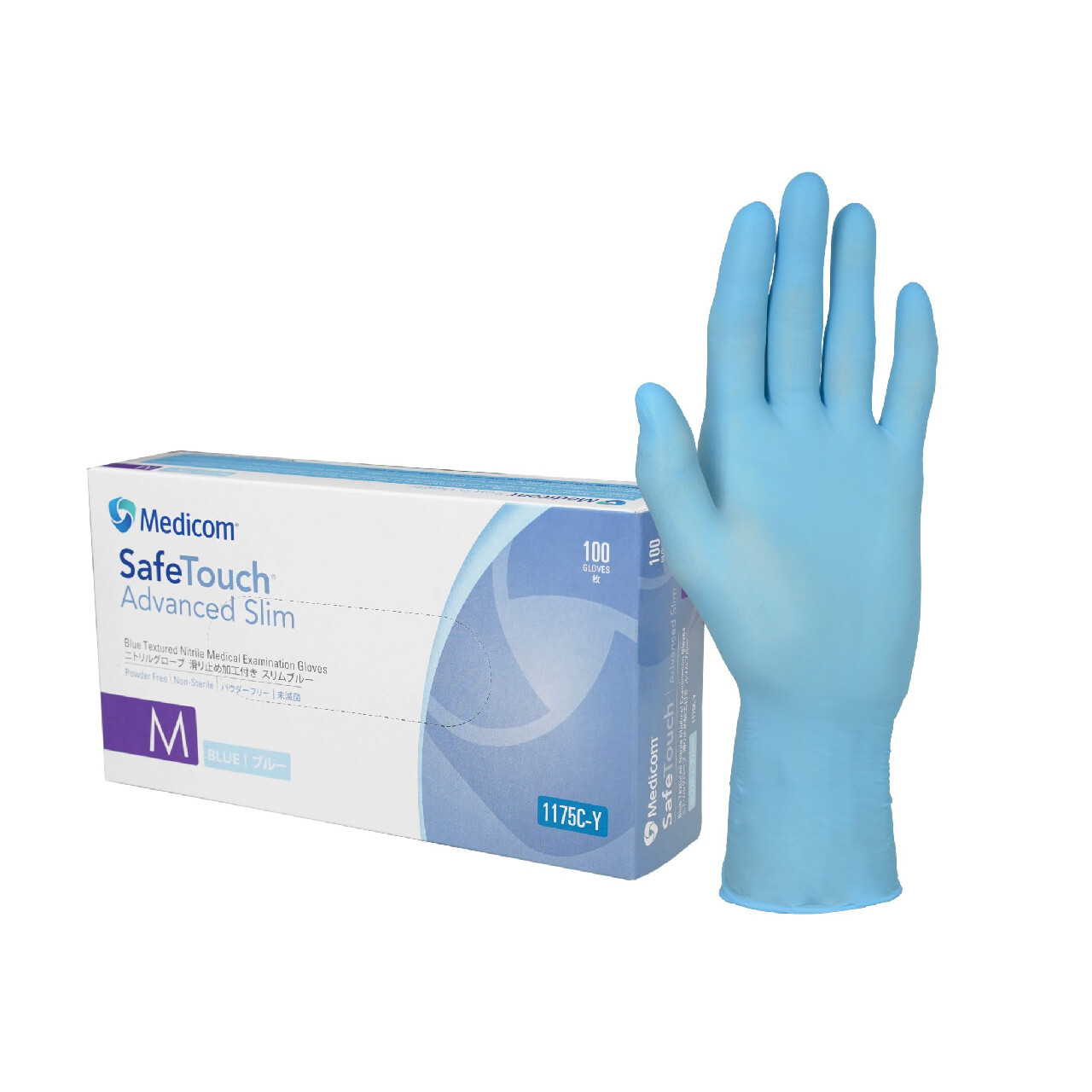
Powder-Free vs Powdered Gloves: Clinical Comparison
|
Feature |
Powder-Free Gloves |
Powdered Gloves |
|
Infection Control |
High |
Low |
|
Allergy Risk |
Minimal |
Increased |
|
Medical Compliance (AU) |
Approved |
Banned |
|
Wound Contact |
Safe |
Not suitable |
|
Airborne Particles |
None |
Present |
|
Recommended Use |
Healthcare & aged care |
Industrial only |
Why Powder-Free Gloves Are Essential in Medical Settings
Infection Prevention and Control
Powder residue can interfere with wound healing and introduce foreign particles into sterile fields. Powder-free gloves support best-practice infection control protocols.
Patient and Staff Safety
Healthcare workers frequently change gloves throughout the day. Powder-free gloves reduce cumulative exposure that can lead to occupational skin conditions and latex sensitisation.
Regulatory Compliance
Australian healthcare facilities are required to follow strict guidelines regarding PPE. Powder-free exam gloves help organisations remain compliant with:
- Infection control standards
- Workplace health and safety requirements
- Accreditation audits
Explore compliant options: Medical Gloves
Choosing the Right Glove Material for Healthcare
Powder-free gloves are available in several materials, each suited to different clinical needs:
- Nitrile Gloves – Strong, puncture-resistant, latex-free; ideal for most clinical tasks
- Latex Gloves – Excellent fit and dexterity; suitable where latex sensitivity is not a concern
- Vinyl Gloves – Best for low-risk, short-duration tasks
Alpha Medical Solutions supplies trusted healthcare brands including:
 |
 |
 |
 |
 |
Best Practice for Healthcare Providers
- Powder-free gloves are the only suitable option for medical and aged care use
- Powdered gloves pose infection, allergy and contamination risks
- Nitrile powder-free gloves are the most commonly used in Australian healthcare
- Choosing compliant gloves protects patients, staff and organisations
Selecting the right glove is a simple but essential step in maintaining a safe healthcare environment.
Need reliable medical-grade gloves for your facility?
Explore Alpha Medical Solutions powder-free glove range, trusted by healthcare professionals across Australia.
| Alpha Medical Solutions Pty Ltd. |
| Call us on: 1300-783-747 |
| Email: info@alphamedicalsolutions.com.au |

FAQs
Are powdered gloves allowed in healthcare settings in Australia?
No. Powdered medical examination gloves are banned due to infection and allergy risks.
Why are powder-free gloves safer for patients?
They eliminate airborne particles and reduce contamination of wounds and medical equipment.
What gloves are best for aged care facilities?
Powder-free nitrile gloves are commonly recommended due to durability, comfort and low allergy risk.
Can powder-free gloves still be easy to put on?
Yes. Modern manufacturing processes allow powder-free gloves to be donned easily without compromising hygiene.