

When to Replace Medical Equipment to Improve Patient Safety
Medical equipment plays a critical role in delivering safe, effective, and reliable healthcare. From medical instruments used daily in clinical settings to life-saving devices such as defibrillators, the condition and performance of equipment directly impact patient outcomes.
Over time, even well-maintained medical equipment can deteriorate, become outdated, or fail to meet current clinical standards. Using worn or obsolete equipment increases the risk of inaccurate readings, infection, delayed treatment, and non-compliance with healthcare regulations.
In this guide, we’ll explain when to replace medical equipment, the warning signs to watch for, and how timely replacement supports better healthcare, patient safety, and clinical efficiency.
Why Replacing Medical Equipment Matters
Replacing medical equipment at the right time is not just about compliance—it’s about protecting patients and healthcare workers.
Key benefits of timely equipment replacement
- Improved patient safety and care quality
- Accurate diagnostics and monitoring
- Reduced infection risk
- Compliance with Australian healthcare standards
- Lower long-term maintenance and repair costs
Healthcare providers, aged care facilities, and home carers all rely on dependable equipment to deliver consistent care.
Signs It’s Time to Replace Medical Equipment
 |
1. Equipment Shows Physical Wear or DamageCracks, corrosion, loose components, or faded markings are clear indicators that equipment may no longer function safely. Common examples include:
Explore our quality replacements for everyday use in our medical equipment range. |
2. Inaccurate or Inconsistent ReadingsIf devices produce unreliable results despite calibration, replacement should be considered. Examples:
Reliable diagnostics are essential for early intervention and effective treatment. View our trusted Accu-Chek blood glucose monitors designed for accuracy and ease of use. |
|


3. Increased Maintenance and Repair Costs
When equipment requires frequent repairs, replacement often becomes the more cost-effective and safer option.
Warning signs include:
- Regular servicing without improved performance
- Difficulty sourcing replacement parts
- Increased downtime affecting patient care
4. Outdated Technology or Standards
Medical technology evolves rapidly. Older equipment may no longer meet modern clinical or infection control standards.
Examples include:
- Non-digital monitoring devices
- Older reprocessing medical equipment that no longer aligns with Spaulding classification guidelines
- Equipment incompatible with updated clinical workflows
Spaulding Classification and Equipment Replacement
The Spaulding classification categorises medical devices based on infection risk and determines appropriate cleaning, disinfection, or sterilisation requirements.
|
Classification |
Equipment Type |
Replacement Consideration |
|---|---|---|
|
Critical |
Surgical instruments, defibrillators |
Replace if sterilisation integrity is compromised |
|
Semi-critical |
Endoscopes, tracheostomy equipment |
Replace if damaged or difficult to reprocess |
|
Non-critical |
Stethoscopes, blood glucose monitors |
Replace when wear affects hygiene or accuracy |
Failure to meet reprocessing standards increases infection risk and regulatory non-compliance.
Browse our compliant medical instruments designed for effective reprocessing.
Equipment-Specific Replacement Guidelines
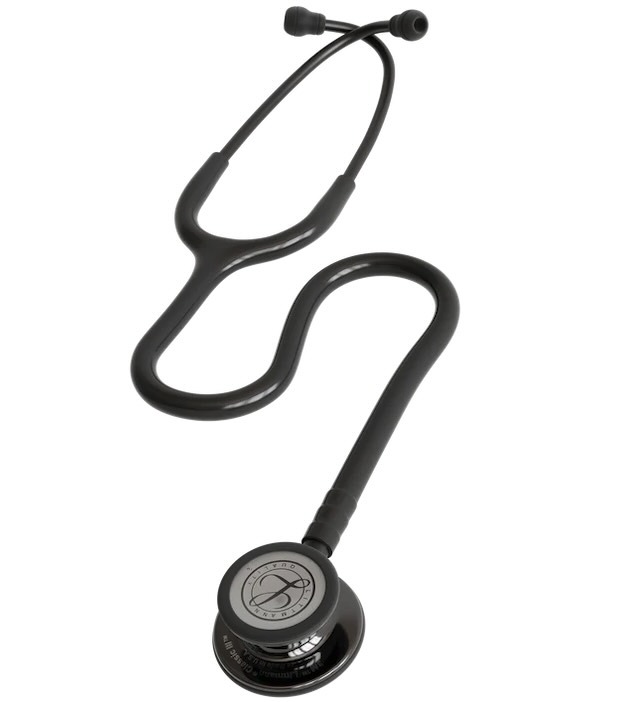
StethoscopesReplace when:
View our range of stethoscopes for clinical and home use. |
|

|
|
Tracheostomy EquipmentReplace immediately if:
Discover our dependable tracheostomy equipment designed for patient safety and comfort. |
DefibrillatorsReplace or upgrade when:
Explore our reliable defibrillators suitable for clinics, workplaces, and community use. |
 |
How Often Should Medical Equipment Be Reviewed?
Regular reviews help identify replacement needs early.
Recommended review schedule:
- High-use equipment: every 6–12 months
- Critical life-saving devices: monthly checks
- Home healthcare equipment: annually or as per manufacturer guidelines
Document inspections and replacement timelines to maintain compliance and safety.
Key Points to Remember
- Equipment condition directly affects patient outcomes
- Inaccurate readings and wear increase clinical risk
- Spaulding classification helps guide replacement decisions
- Planned replacement is more cost-effective than reactive repairs
Ensuring your medical equipment is safe, accurate, and up to standard is essential for delivering better healthcare.
Explore our trusted range of medical equipment to support safe, reliable, and compliant care across all healthcare settings at Alpha Medical Solutions.
| Alpha Medical Solutions Pty Ltd. |
| Call us on: 1300-783-747 |
| Email: info@alphamedicalsolutions.com.au |

Frequently Asked Questions
How do I know when medical equipment should be replaced?
Medical equipment should be replaced when it shows physical wear, produces inaccurate results, becomes costly to repair, or no longer meets clinical standards.
Why is Spaulding classification important for equipment replacement?
Spaulding classification helps determine infection risk and reprocessing requirements, guiding when equipment should be replaced to maintain patient safety.
Can outdated equipment affect patient care?
Yes. Outdated equipment can lead to inaccurate readings, increased infection risk, and delayed treatment decisions.
How often should medical equipment be reviewed?
High-use equipment should be reviewed every 6–12 months, while critical devices require more frequent checks.