
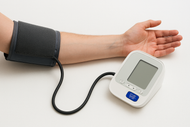
Accurate Home Blood Pressure Monitoring at Home
Monitoring your blood pressure at home has become an essential part of managing cardiovascular health, especially for Australians living with hypertension, diabetes, or heart-related conditions. With the growing availability of blood pressure monitors, more people are taking control of their health between GP visits.
But a common and important question remains: are home blood pressure monitors accurate?
The short answer is yes—home blood pressure monitors can be highly accurate, but only when the right device is used correctly and consistently. In this guide, we’ll take a deeper look at how these devices work, what affects their accuracy, and how you can ensure reliable readings at home.
Are Home Blood Pressure Monitors Reliable?
Home monitoring is widely recommended by healthcare professionals and organisations such as Healthdirect Australia. It allows individuals to track trends over time rather than relying on occasional readings in a clinical setting.
However, accuracy depends on several factors:
- The quality and validation of the monitor
- Correct cuff size and placement
- Proper measurement technique
- Regular maintenance and calibration
When these elements are in place, home readings can closely match those taken by a healthcare professional.
One of the biggest advantages of home monitoring is reducing “white coat hypertension”, where blood pressure rises due to anxiety in medical environments. This makes home readings a valuable complement to in-clinic assessments.
Types of Blood Pressure Monitors and Their Accuracy
Understanding the different types of monitors can help you choose the most reliable option for your needs.
Upper Arm Blood Pressure Monitors (Most Accurate)
Upper arm monitors are considered the gold standard for home use. These devices measure blood pressure from the brachial artery, providing results that are closest to clinical-grade equipment.
Popular and trusted options include:
- Omron blood pressure monitor
- Welch Allyn blood pressure monitor
These brands are known for producing clinically validated devices with consistent performance.
Browse upper arm monitors here.
Wrist Blood Pressure Monitors
Wrist monitors are compact and convenient, making them popular for travel or quick checks. However, they are generally less accurate because:
- The wrist must be positioned precisely at heart level
- Small movements can affect readings
- They measure narrower arteries
While useful in some cases, they are not typically recommended as a primary monitoring tool.
Finger Monitors
Finger monitors are the least accurate option and are rarely recommended for medical use. They are highly sensitive to temperature, positioning, and circulation changes.
24-Hour Blood Pressure Monitor
A 24 hr blood pressure monitor, also known as an ambulatory monitor, is used in clinical settings to track blood pressure continuously over a full day. This provides a comprehensive picture of fluctuations during normal daily activities and sleep.
Key Factors That Affect Accuracy
Even the best blood pressure monitors can produce inaccurate results if used incorrectly. Understanding these factors is essential for reliable readings.
1. Cuff Size and FitThe cuff plays a critical role in measurement accuracy.
Explore cuff options here. Ensuring the cuff fits your arm circumference properly is one of the simplest ways to improve accuracy. |
2. Body Position and PostureYour posture during measurement significantly impacts results. For best accuracy:
Incorrect positioning can lead to misleading readings. |
|
3. Timing and ConsistencyBlood pressure naturally fluctuates throughout the day due to stress, activity, and diet. To maintain consistency:
Tracking consistent readings over time is more valuable than isolated measurements. |
4. Movement and TalkingTalking or moving during a reading can interfere with the monitor’s sensors.
Even small movements can affect accuracy. |
|
5. Device Calibration and MaintenanceLike all medical equipment, home monitors require occasional checks to ensure they remain accurate.
|
How to Use a Home Blood Pressure Monitor Correctly
Using the correct technique is just as important as choosing the right device. Follow these steps for reliable readings:
- Rest quietly for at least 5 minutes before measuring
- Sit in a comfortable, quiet space
- Place the cuff on your upper arm, aligned with your heart
- Keep your arm supported and still
- Do not talk during the reading
- Take two readings and record the average
Tip: Keep a log or use a digital monitor with memory storage to track trends over time. This information is valuable for your healthcare provider.
Benefits of Monitoring Blood Pressure at Home
Home monitoring provides more than just convenience—it plays a key role in long-term health management.
Improved Diagnosis and Monitoring
Regular readings help detect patterns and identify high blood pressure early.
Better Treatment Decisions
Doctors can adjust medications based on consistent data rather than occasional readings.
Reduced Anxiety
Monitoring at home helps avoid stress-related spikes that occur in clinical settings.
Greater Patient Engagement
Patients who monitor their blood pressure regularly are more likely to stay engaged with their health and treatment plans.
Choosing a Reliable Blood Pressure Monitor
When selecting a device, consider the following features:
- Clinically validated accuracy
- Easy-to-read digital display
- Memory storage or app connectivity
- Adjustable cuff sizes
- Battery life or power options
Trusted brands include:
 |
 |
Choosing a reputable brand ensures better long-term reliability and support.
Supporting Evidence and External Guidance
For further information on accurate home monitoring techniques, refer to:
https://www.healthdirect.gov.au/blood-pressure-monitoring-at-home
This resource provides evidence-based advice on correct usage and best practices.
Summary of Key Points
- Home blood pressure monitors can be accurate when used correctly
- Upper arm monitors provide the most reliable readings
- Proper cuff size and positioning are essential
- Consistent timing improves measurement reliability
- Regular calibration ensures ongoing accuracy
By following best practices and using a quality device, you can confidently monitor your blood pressure at home and support better health outcomes.
Taking control of your health starts with reliable information.
Explore Alpha Medical Solutions’ range of clinically trusted blood pressure monitors and accessories to find the right solution for your needs today.
| Alpha Medical Solutions Pty Ltd. |
| Call us on: 1300-783-747 |
| Email: info@alphamedicalsolutions.com.au |

Frequently Asked Questions
Are home blood pressure monitors as accurate as a doctor’s device?
Home blood pressure monitors can be as accurate as a doctor’s device when they are clinically validated and used correctly with proper technique and appropriate cuff size.
How often should I check my blood pressure at home?
It is generally recommended to check your blood pressure once or twice daily at consistent times, or as advised by your healthcare provider based on your condition.
What is the most accurate type of home blood pressure monitor?
Upper arm blood pressure monitors are considered the most accurate for home use because they measure blood pressure from a major artery and are less sensitive to positioning errors.
Can incorrect cuff size affect blood pressure readings?
Yes, using an incorrect cuff size can significantly distort readings, leading to either falsely high or falsely low results, which may impact health decisions.