
NDIS Incontinence Products Explained
Managing incontinence can feel overwhelming — especially when navigating funding, product options, and eligibility through the NDIS. Whether you're a participant, carer, or support coordinator, understanding what’s covered and how to access the right continence aids makes a real difference to comfort, dignity, and independence.
The good news? The National Disability Insurance Scheme (NDIS) provides funding for eligible incontinence products pads and continence aids when they are considered reasonable and necessary supports.
In this guide, we explain:
- What incontinence products the NDIS may fund
- How funding works under NDIS consumables
- How to choose the right products
- How to order through a Registered NDIS Provider
What Are NDIS-Funded Incontinence Supports?
The National Disability Insurance Scheme provides funding for disability-related supports that are considered reasonable and necessary. Continence products generally fall under Core Supports – Consumables in an NDIS plan.
According to the National Disability Insurance Agency (NDIA), continence supports may include:
- Disposable incontinence pads and pull-ups
- Adult nappies and slips
- Waterproof mattress protectors
- Catheters and drainage bags
- Skincare products related to continence
You can review official guidance via the NDIS Continence Supports information page.
These supports aim to:
- Promote independence
- Improve health and hygiene
- Reduce risk of skin breakdown
- Support participation in daily life
Who Is Eligible for NDIS Continence Funding?
Eligibility depends on your individual NDIS plan and disability-related needs. Incontinence supports are generally funded when:
- The condition is related to your disability
- Products are clinically justified
- A health professional has provided evidence or recommendation
- The support represents value for money
Participants typically access funding under:
|
NDIS Budget Category |
What It Covers |
|
Core Supports – Consumables |
Everyday continence aids and incontinence products pads |
|
Capacity Building (Improved Daily Living) |
Continence assessments by qualified health professionals |
If you're unsure about your funding, speaking with your support coordinator or plan manager can help clarify your available ndis consumables budget.
Types of Incontinence Products Covered by NDIS
Choosing the correct product ensures comfort, discretion, and skin protection. Below are commonly funded continence aids available through ndis registered providers.
1. Disposable Pads and Inserts
Ideal for light to moderate incontinence.
Features:
- Adhesive backing for secure placement
- Various absorbency levels
- Designed for use with regular underwear
Explore available options here.
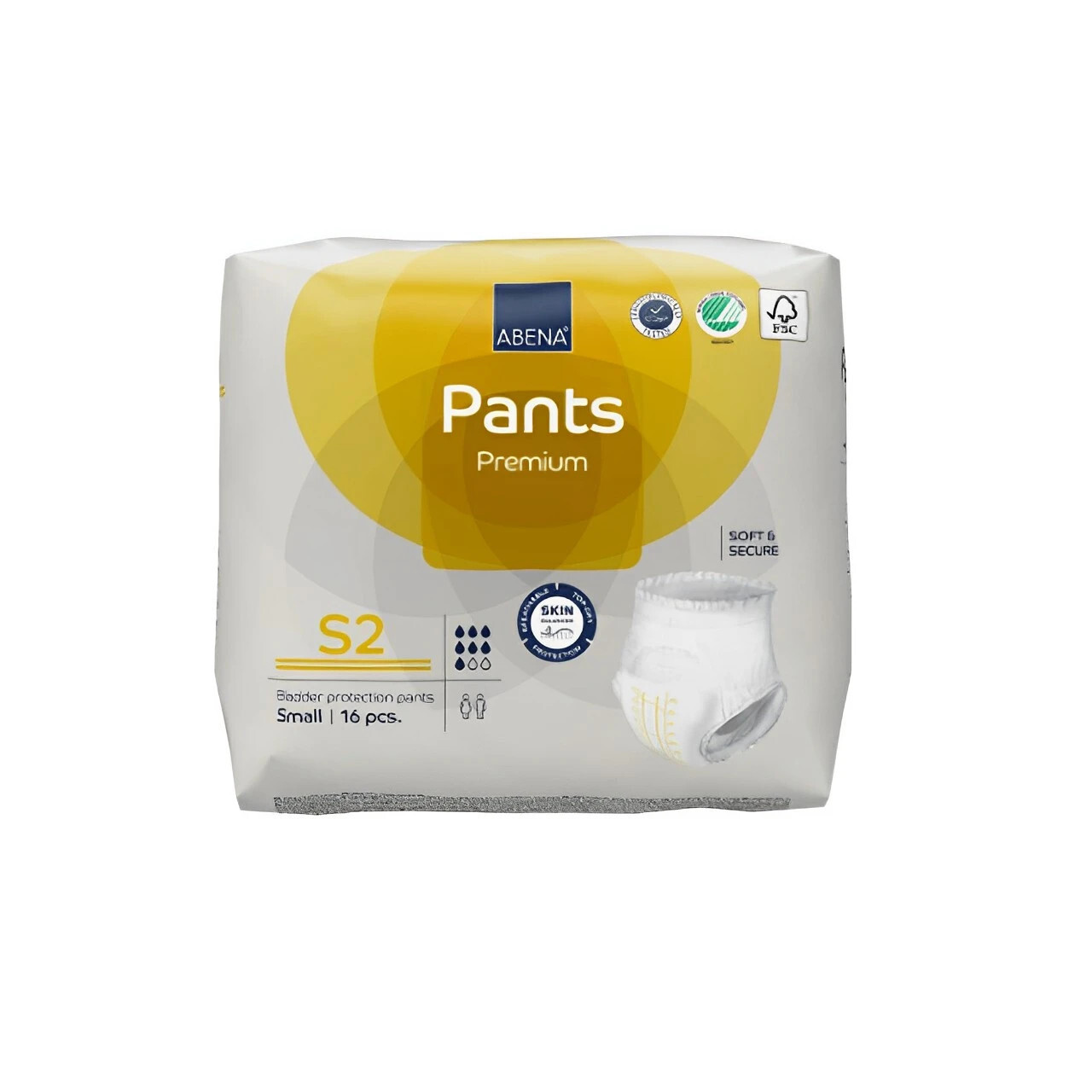
2. Pull-Up Pants
Suitable for active individuals who prefer underwear-style protection.
Popular brands include:
|
|
 |
 |

These products are discreet and promote independence.
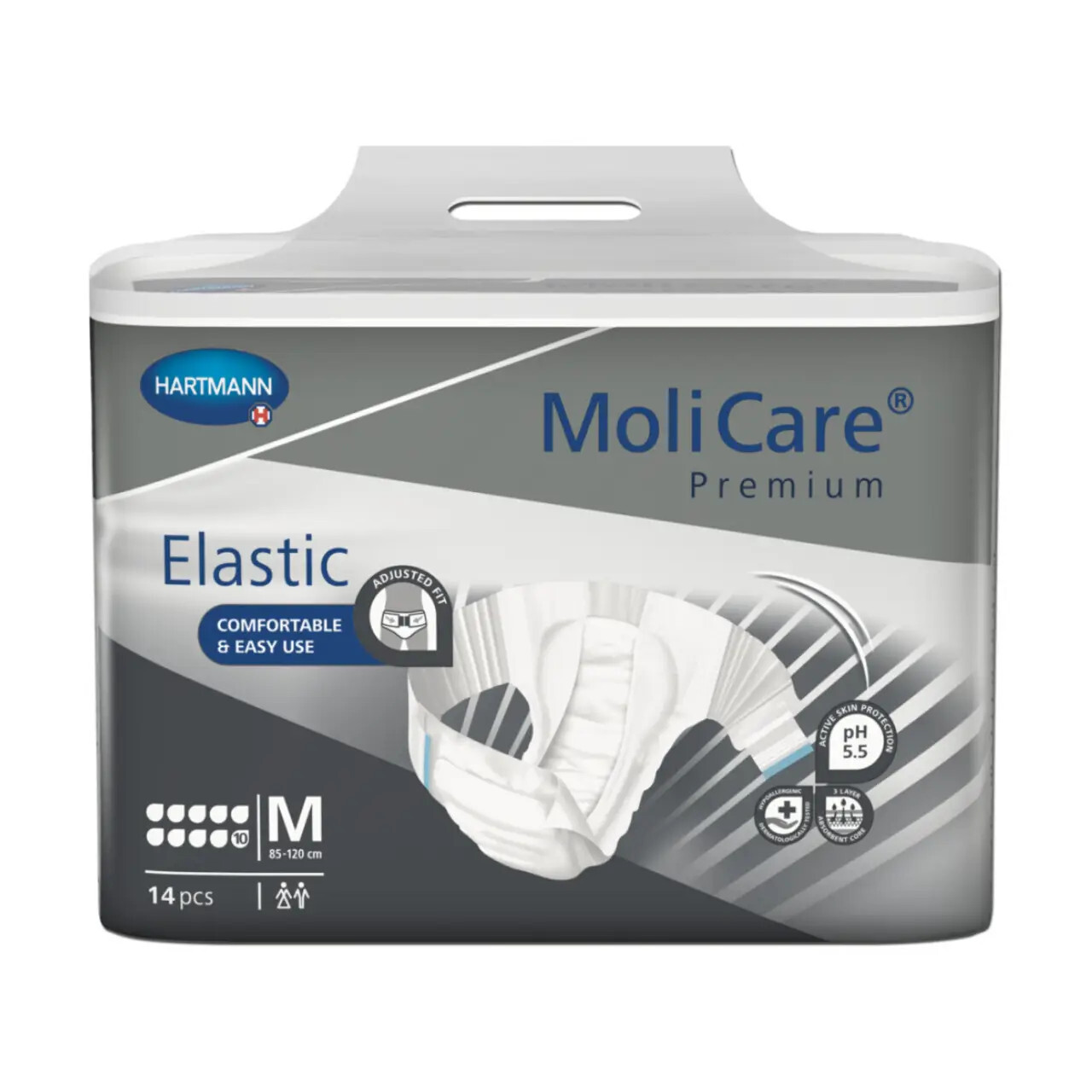
3. All-in-One Slips (Briefs)Designed for moderate to heavy incontinence. |
Example product |
|
 |
|
|
|
|
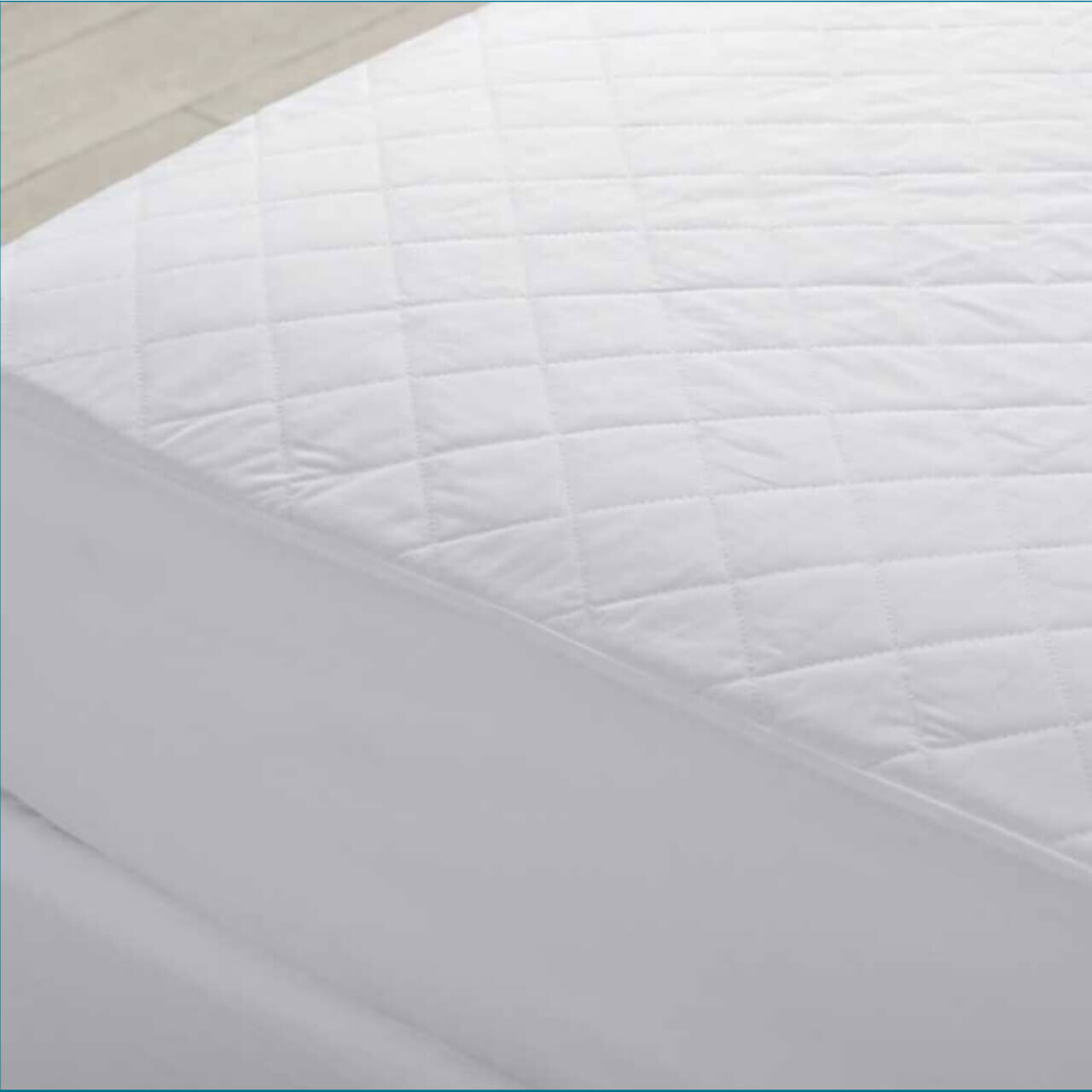
4. Bed and Chair Protection
Bedding and chair protection can enhance hygiene, save time and provide peace of mind when managing incontinence. |
How to Choose the Right Continence AidSelecting appropriate incontinence products pads depends on several factors: |
|
|
Example Product
|
Absorbency LevelMatch absorbency to leakage severity to prevent overflow and discomfort. Size & FitProper sizing prevents leaks and reduces skin irritation. Mobility & LifestyleActive individuals may prefer pull-ups, while full briefs may suit higher support needs. Skin HealthLook for breathable materials and dermatologically tested products. If unsure, consulting a continence nurse or occupational therapist is highly recommended. |
Why Choose a Registered NDIS Provider?
Working with a Registered NDIS Provider ensures compliance, quality assurance, and smooth claims processing.
Alpha Medical Solutions Pty. Ltd. is proud to be an NDIS Registered Provider.
We are included on the National Disability Insurance Scheme (NDIS) Continence Provider List. This means we have met the eligibility criteria to be listed as a provider for continence supports and are committed to helping our customers find and compare supports. Inclusion on this list does not imply endorsement by the NDIS.
View the NDIS Continence List here.
As a 100% Australian-owned and operated supplier established in 2013, we understand the importance of reliable, discreet and timely delivery.
You can also explore all our NDIS categories here.
How to Order NDIS-Funded Incontinence Products
The process depends on how your plan is managed:
|
NDIS Participant Plan Type |
NDIS Process Steps |
|
Self-Managed |
|
|
Plan-Managed |
|
|
PACE-Managed |
|
|
NDIA-Managed |
|
At Alpha Medical Solutions, we support all plan types and help simplify the ordering process.
Practical Example
Sarah, a Sydney-based NDIS participant, requires moderate-absorbency pull-ups and overnight protection. After receiving a continence assessment, she uses her Core Supports budget to order TENA pull-ups for daytime use and MoliCare slips for night-time protection.
Her plan manager processes invoices directly, ensuring no out-of-pocket expenses. With the right continence aids, Sarah maintains independence and confidence at work and socially.
Key Points to Remember
- NDIS funding may cover disability-related incontinence products pads
- Products fall under Core Supports – Consumables
- Clinical evidence may be required
- We can be your choice Registered NDIS Provider at any time
Understanding your options empowers you to select the right continence aids confidently.
If you’re looking for reliable NDIS-funded services and quality incontinence products across Australia, explore our full range today at https://www.alphamedicalsolutions.com.au/incontinence-aids/ or contact our friendly team for personalised assistance.
| Alpha Medical Solutions Pty Ltd. |
| Call us on: 1300-783-747 |
| Email: info@alphamedicalsolutions.com.au |
Frequently Asked Questions
Does the NDIS pay for incontinence products?
The National Disability Insurance Scheme (NDIS) may fund incontinence products when they are required because of a participant’s disability. They are generally considered reasonable and necessary supports within an approved NDIS plan. These products are usually funded through the Core Supports – Consumables budget.
Eligible incontinence items can include disposable pads, pull-up pants, adult nappies, all-in-one briefs, waterproof mattress protectors, and other continence aids that help participants safely manage bladder or bowel incontinence in their daily lives. The exact products funded and the quantity available will depend on the participant’s individual needs and the funding allocated in their plan.
What types of continence aids are funded under the NDIS?
The NDIS may fund a range of continence aids designed to help participants manage bladder or bowel incontinence related to their disability. These supports can include disposable incontinence pads, pull-up protective underwear, adult briefs, absorbent bed pads, waterproof bedding protectors and other continence management products.
The types of products funded will depend on the participant’s support needs, recommendations from healthcare professionals, and the funding available in their NDIS plan. Choosing the right continence aid can help improve comfort, hygiene, and confidence in daily activities.
Do I need a continence assessment to receive NDIS funding?
In many cases, the NDIS requires supporting documentation from a qualified healthcare professional to justify funding for continence aids. This may include a continence assessment conducted by a continence nurse, occupational therapist, physiotherapist, or medical practitioner.
The purpose of the assessment is to identify the participant’s continence needs, recommend suitable products, and confirm that the requested supports are directly related to the participant’s disability. Providing professional documentation helps ensure the participant receives the most appropriate continence products for their daily care requirements.
Which NDIS budget category covers incontinence products?
Incontinence products are typically funded under the Core Supports – Consumables category within an NDIS plan. This funding category covers everyday disability-related items that participants require regularly to support their personal care, hygiene, and independence.
Continence aids funded through this category may include disposable pads, pull-up underwear, adult briefs, protective bed pads, and other products used to manage incontinence. The amount of funding allocated will vary depending on the participant’s support needs and recommendations provided during the NDIS planning process.
Can I choose my own supplier for NDIS continence products?
NDIS participants usually have flexibility when choosing where to purchase their continence products, depending on how their plan is managed. Participants who self-manage their funding or have a plan manager can generally purchase incontinence products from a supplier of their choice.
However, participants with NDIA-managed plans are required to order products from a registered NDIS provider so that payments can be processed directly through the NDIS system. Choosing a reliable provider can help ensure consistent supply, correct invoicing, and access to quality continence aids.
How often can NDIS participants order incontinence products?
The frequency of ordering incontinence products under the NDIS depends on the participant’s individual needs and the available budget within their consumables funding. Many participants order products monthly or in larger quantities to maintain a reliable supply.
The number of products funded is usually based on clinical recommendations and the participant’s daily continence management needs. Planning regular orders helps ensure participants always have access to essential continence aids.
What is the NDIS Continence Provider List?
The NDIS Continence Provider List is a resource that identifies suppliers who have met the eligibility criteria to provide continence supports to NDIS participants. These providers are able to supply a range of continence products and assist participants in comparing available options.
Being included on this list indicates that the provider meets specific requirements for supplying continence aids to NDIS participants. However, inclusion on the list does not mean the provider is formally endorsed by the NDIS.
Why is it helpful to order continence aids from a registered NDIS provider?
Ordering continence aids from a registered NDIS provider can help simplify the purchasing process and ensure compliance with NDIS funding requirements. Registered providers understand the NDIS system and can provide appropriate documentation and invoicing for plan managers or NDIA-managed plans.
They can also assist participants and carers in selecting suitable incontinence products based on absorbency levels, fit, and comfort. Working with an experienced provider helps ensure reliable access to high-quality continence aids and ongoing support when product needs change.