
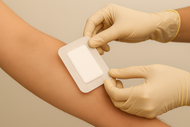
How Often to Change Wound Dressings Safely
Wound care is a critical part of healing, yet one of the most common questions patients and carers ask is: how often should wound dressings be changed? Changing a dressing too frequently can disrupt healing, while leaving it too long may increase the risk of infection.
Understanding the right balance is essential for effective wound management. Whether you're using simple gauze, advanced hydrocolloid dressings, or specialised products like DuoDerm or Kaltostat, knowing when to change a dressing helps promote faster healing and better outcomes.
In this guide, we’ll explain how often to change different types of wound care dressings, what factors influence timing, and how to recognise when a dressing needs immediate attention.
What Determines How Often Dressings Should Be Changed?
There isn’t a one-size-fits-all answer. The frequency of wound dressing changes depends on several key factors:
Type of Wound
Different wounds require different care approaches:
- Acute wounds (cuts, surgical incisions) often need more frequent monitoring
- Chronic wounds (ulcers, pressure injuries) may require specialised dressings changed less often
|
|
Level of Exudate (Fluid)
|
|
Dressing TypeEach dressing is designed for a specific wear time:
|
||
Infection RiskIf a wound shows signs of infection, dressings may need to be changed more frequently under clinical guidance. |

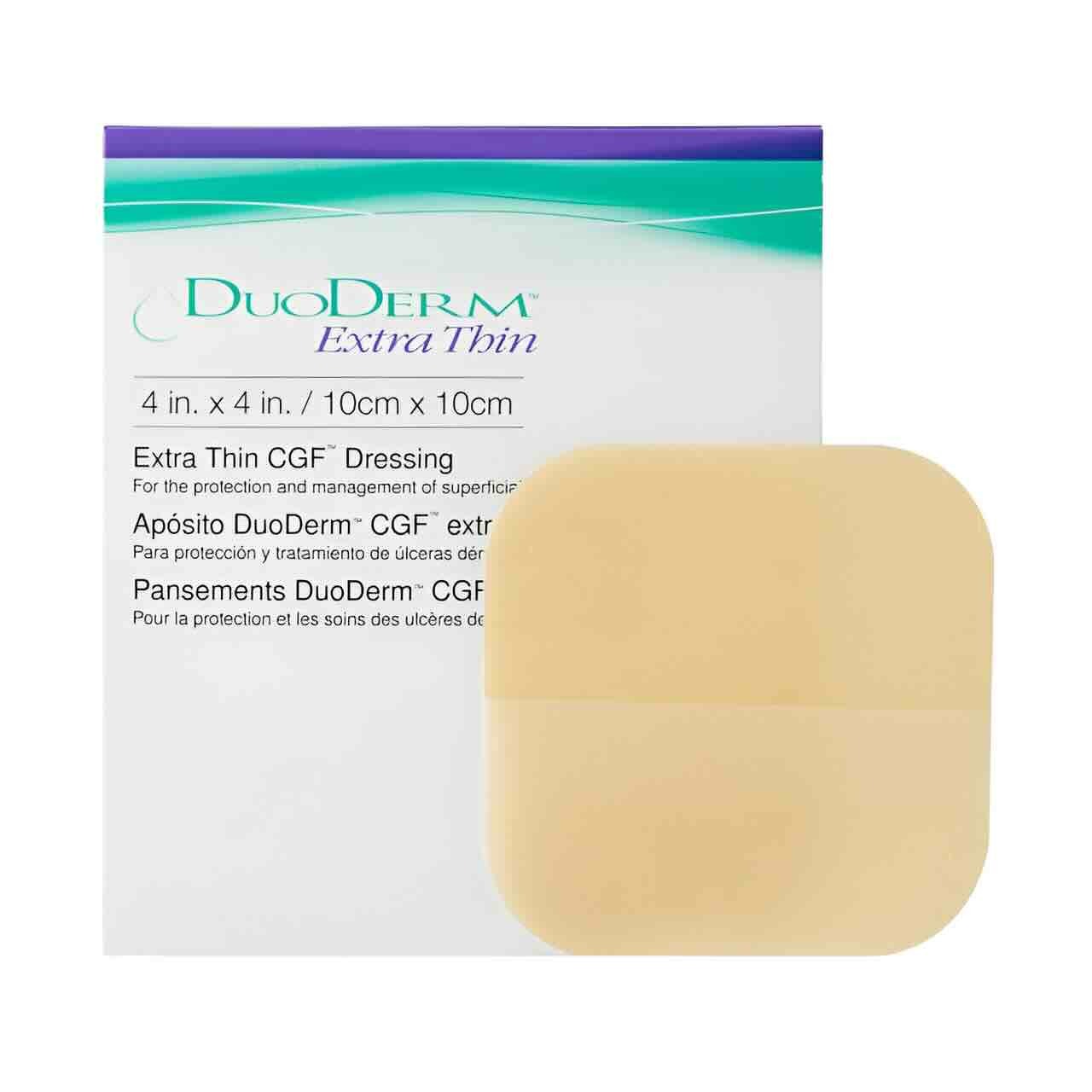
For a wide range of options, explore our full range of wound dressings here.
Recommended Dressing Change Frequency by Type
Below is a general guide to how often common dressings should be changed:
|
Dressing Type |
Typical Change Frequency |
Notes |
|---|---|---|
|
Gauze |
Daily or more often | Absorbs fluid quickly, not moisture-retentive |
|
Hydrocolloid Dressing (e.g. DuoDerm) |
Every 3–7 days | Ideal for low to moderate exudate |
|
Alginate (e.g. Kaltostat) |
Every 1–3 days | Suitable for moderate to heavy exudate |
|
Foam Dressings |
Every 2–4 days | Good absorption and cushioning |
|
Film Dressings |
Every 3–7 days | Best for low exudate wounds |
You can browse suitable products such as gauze swabs here.
When Should You Change a Dressing Immediately?
Even if a dressing is designed to last several days, there are situations where it should be changed right away:
|
 |
According to clinical guidance from organisations like the Australian Commission on Safety and Quality in Health Care, maintaining a clean and appropriately dressed wound is essential to prevent complications.
Best Practices for Wound Dressing Changes
Following proper technique is just as important as timing.
Step-by-Step Guide
- Wash hands thoroughly before and after
- Prepare clean supplies
- Gently remove the old dressing
- Clean the wound as directed
- Apply a new sterile dressing
- Secure it properly without restricting circulation
Tips for Better Healing
- Do not over-change dressings unless necessary
- Keep the wound moist, not dry
- Use appropriate products from trusted brands like those available here.
For specialised brands:
 |
 |
 |
 |
 |
Choosing the Right Dressing for Your Needs
Selecting the correct dressing plays a major role in how often it needs changing.
Consider These Factors:
- Wound depth and size
- Moisture level
- Skin sensitivity
- Location of the wound
For example:
- A duoderm hydrocolloid dressing is ideal for wounds needing longer wear time
- A hydrocolloid roll may be useful for flexible coverage
- Traditional gauze works well for short-term use or minor wounds
For clinical guidance, refer to trusted sources such as: https://www.healthdirect.gov.au/wound-care
Practical Example
A patient with a post-surgical wound using a hydrocolloid dressing may only need to change it every 3–5 days, provided there are no signs of leakage or infection.
In contrast, someone using gauze for a weeping wound may need to change it daily or even multiple times per day.
This highlights why dressing choice and wound condition must always be considered together.
Summary of Key Points
- Dressing change frequency depends on wound type, exudate, and dressing material
- Gauze requires frequent changes, while advanced dressings last longer
- Always change a dressing immediately if there are signs of infection or leakage
- Proper technique is essential for preventing complications
- Choosing the right product reduces the need for frequent changes
Explore Alpha Medical Solutions’ trusted range of wound dressings and wound care to support better healing every day.
| Alpha Medical Solutions Pty Ltd. |
| Call us on: 1300-783-747 |
| Email: info@alphamedicalsolutions.com.au |

Frequently Asked Questions
How often should a wound dressing be changed?
Wound dressings should be changed based on the type of dressing and wound condition, ranging from daily for gauze to every 3–7 days for advanced dressings.
Can you change a dressing too often?
Yes, changing a dressing too frequently can disrupt healing and damage new tissue, slowing recovery.
How do I know if a dressing needs changing?
A dressing should be changed if it becomes wet, dirty, loose, or if there are signs of infection such as redness, swelling, or odour.
What happens if you leave a dressing on too long?
Leaving a dressing on too long can increase the risk of infection, cause skin irritation, and delay wound healing.