
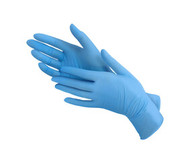
Choosing the Best Disposable Gloves for Your Practice
Selecting the right disposable gloves is more important than it may first appear. Whether you’re working in healthcare, aged care, food handling, beauty services, or a clinical environment, the gloves you choose directly impact safety, hygiene, compliance, and overall efficiency.
Many professionals struggle to decide between latex gloves, vinyl gloves, and black nitrile gloves, or whether switching to latex free gloves is necessary. With evolving safety standards and increased awareness around allergies and infection control, choosing the wrong gloves can lead to risks for both staff and clients.
In this comprehensive guide, you’ll learn how to select the right gloves use and throw solution for your practice, understand key differences between glove types, and ensure you’re meeting Australian safety standards.
Understanding the Different Types of Disposable Gloves
Choosing the correct glove starts with understanding the materials available and how they perform in real-world applications.
Latex Gloves
Latex gloves are made from natural rubber and are widely used in healthcare due to their superior comfort and flexibility.
|
Best for:
|
Benefits:
|
|
Considerations:
|
Explore our options here.
Nitrile Gloves
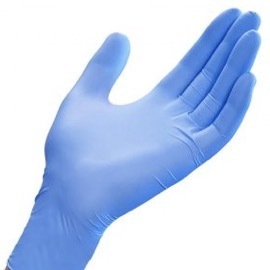
Nitrile gloves are the most popular latex free gloves alternative and are widely used across multiple industries.
|
Best for:
|
Benefits:
|
|
Considerations:
|
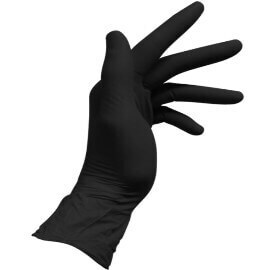
Browse nitrile glove options here or our black glove range here.
Vinyl Gloves
Vinyl gloves are a cost-effective option made from synthetic materials.
|
Best for:
|
Benefits:
|
|
Considerations:
|
Check out our Latex-free range here.
Comparing Glove Types at a Glance
|
Feature |
Latex Gloves |
Nitrile Gloves |
Vinyl Gloves |
|---|---|---|---|
|
Comfort |
⭐⭐⭐⭐⭐ |
⭐⭐⭐⭐ |
⭐⭐⭐ |
|
Durability |
⭐⭐⭐⭐ |
⭐⭐⭐⭐⭐ |
⭐⭐ |
|
Allergy Risk |
High |
None |
None |
|
Chemical Resistance |
Moderate |
High |
Low |
|
Cost |
Moderate |
Higher |
Low |
|
Best Use |
Medical |
Multi-purpose |
Food/low-risk |
Key Factors to Consider When Choosing Disposable Gloves
1. Application and Risk LevelThe level of risk in your work environment should guide your glove selection.
Following infection control standards is critical. Refer to Australian Safety and Quality guidelines here. |
2. Powder-Free vs Powdered GlovesPowdered gloves were once common but are now largely phased out. Why powder-free gloves are preferred:
Shop powder-free options here. |
|
3. Sterile vs Non-Sterile GlovesUnderstanding this distinction is essential for compliance:
Our Sterile glove range here. |
4. Fit, Comfort, and SizingPoorly fitting gloves can reduce dexterity and increase fatigue. Tips for choosing the right fit:
A well-fitted glove improves both safety and productivity. Refer to a sizing chart here. |
|
5. Thickness and DurabilityGlove thickness (measured in mils) affects durability and sensitivity.
Choosing the right thickness ensures optimal performance without compromising comfort. |
6. Compliance and Quality StandardsAlways ensure your gloves meet recognised standards. Look for:
|
Our Trusted brands:
 |
 |
 |
 |
 |
Matching Gloves to Your Industry
Healthcare and Aged Care
|
Food Industry
|
|
Beauty, Tattoo, and Hairdressing
|
Cleaning and Maintenance
Refer to our nitrile gloves suitable for chemicals here. |
 |
Common Mistakes to AvoidChoosing gloves isn’t just about price—common mistakes can compromise safety.
Avoid these pitfalls:
|
Practical Example: A Day in a Medical PracticeA busy GP clinic may require multiple glove types throughout the day:
This layered approach ensures safety, efficiency, and compliance. |
 |
Summary of Key Points
- Match glove type to risk level and task
- Choose nitrile gloves for versatility and safety
- Use latex gloves for precision where safe
- Select vinyl gloves for low-risk, cost-effective use
- Always opt for powder-free and latex free gloves where possible
- Ensure compliance with Australian standards
Final Thoughts
Choosing the right disposable gloves is essential for protecting both your staff and those you care for. By understanding the differences between glove materials, considering your work environment, and prioritising safety standards, you can make confident, informed decisions.
Explore the full range of high-quality gloves from Alpha Medical Solutions to find the perfect fit for your practice and ensure you’re always prepared for any task.
| Alpha Medical Solutions Pty Ltd. |
| Call us on: 1300-783-747 |
| Email: info@alphamedicalsolutions.com.au |

Frequently Asked Questions
What type of disposable gloves are best for healthcare settings?
Nitrile gloves are widely considered the best option for healthcare settings because they are durable, puncture-resistant, and latex-free, reducing the risk of allergic reactions.
Are vinyl gloves safe for food handling?
Yes, vinyl gloves are commonly used in food handling because they are cost-effective, latex-free, and suitable for low-risk tasks involving food preparation.
Why are nitrile gloves more expensive than other gloves?
Nitrile gloves are more expensive due to their superior durability, chemical resistance, and higher level of protection compared to latex and vinyl gloves.
How often should disposable gloves be changed?
Disposable gloves should be changed between every task or patient interaction to prevent cross-contamination and maintain hygiene standards.