
What You Need to Know About Feeding Sets & Tubes
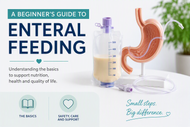
Whether recovering from surgery, living with a neurological condition, or managing swallowing difficulties, many Australians rely on enteral feeding to receive the nutrition and hydration they need. Enteral feeding allows nutrients, fluids, and medications to be delivered directly into the gastrointestinal (GI) tract when eating and drinking are no longer possible or are insufficient.
For patients, carers, and healthcare professionals, understanding the different types of enteral feeding tubes, feeding pumps, feeding sets, and ENFit connectors can seem overwhelming at first. Fortunately, modern enteral feeding systems have become safer, more reliable, and easier to use in both hospital and home care settings, thanks to advances in equipment design and international safety standards.
In this beginner's guide, we'll explain how enteral feeding works, the different feeding tube options available, why ENFit connectors are now the international safety standard, and what equipment is commonly used to deliver nutrition safely.
What Is Enteral Feeding?
Enteral feeding is the delivery of liquid nutrition, fluids, and medications directly into the digestive tract through a feeding tube. It is used when a person cannot eat or drink enough by mouth but still has a functioning gastrointestinal system.
Common reasons for enteral feeding include stroke, dysphagia, neurological conditions, cancer treatment, gastrointestinal disorders, and recovery from major surgery. It provides a safe and effective way to maintain nutrition in both hospital and home settings.
How Does Enteral Feeding Work?
An enteral feeding system typically includes a feeding tube, feeding set, feeding pump (if required), and ENFit syringes for flushing and medication administration.
Nutrition can be delivered continuously using a pump, intermittently, by gravity, or as bolus feeds. The patient's healthcare team selects the feeding method based on their nutritional needs.
Types of Enteral Feeding Tubes
Different feeding tubes are used depending on how long nutrition is required and where the feed needs to be delivered.
|
Type |
Description |
|---|---|
|
Nasogastric (NG) tubes |
Inserted through the nose into the stomach for short-term feeding. |
|
Nasojejunal (NJ) tubes |
Extend into the small intestine when stomach feeding is unsuitable. |
|
PEG tubes |
Placed directly into the stomach for long-term nutritional support. |
|
Low-profile gastrostomy (button) tubes |
A discreet option commonly used for long-term home feeding. |
|
Jejunostomy (J) tubes |
Deliver nutrition directly into the small intestine when required. |
Feeding Pumps
Feeding pumps deliver nutrition at a controlled rate, helping improve feeding accuracy and patient comfort. Many pumps also provide programmed flushing to support hydration and reduce the risk of tube blockages.
Portable models allow patients to continue feeding safely at home or while travelling, making long-term enteral nutrition more convenient.
Feeding Sets
A feeding set connects the nutrition container to the feeding tube. Sets are available for pump feeding or gravity feeding and may include medication ports, flush lines, or bottle adapters.
Modern feeding sets are manufactured with ENFit connectors, are DEHP-free, and include anti-free-flow valves to help prevent unintended feed flow. Different configurations are available for feed-only, feed-and-flush, and gravity feeding applications. These sets are designed to be compatible with a wide range of enteral formulas.
Using compatible feeding sets helps ensure safe, reliable nutrition delivery while reducing the risk of leaks or interruptions.
Why ENFit Connectors Are Important
ENFit connectors are the international standard (ISO 80369-3) for enteral feeding devices. Their unique design prevents enteral equipment from connecting to intravenous or other medical devices, significantly reducing the risk of misconnections.
The purple colour coding and universal connector design improve patient safety and compatibility across enteral feeding systems used in hospitals and home care.
Enteral Syringes
ENFit syringes are designed specifically for administering feeds, water flushes, and medications through enteral feeding tubes. They are available in a range of sizes for neonatal, paediatric, and adult patients.
Using dedicated enteral syringes helps maintain safety and ensures compatibility with ENFit feeding systems.
Hydration and Flushing
Regular water flushes help maintain hydration and keep feeding tubes clear. Tubes are typically flushed before and after feeds, before and after medications, and during continuous feeding, following the healthcare professional's instructions.
Routine flushing helps reduce the risk of blockages and supports effective nutrition delivery.
Caring for an Enteral Feeding Tube
Proper care of an enteral feeding tube helps reduce the risk of infection, blockages, and accidental dislodgement while supporting safe nutrition delivery.
Follow these simple care tips:
- Wash your hands before handling feeding equipment.
- Flush the feeding tube with the recommended amount of water before and after feeds and medications.
- Clean and dry the skin around gastrostomy or jejunostomy sites daily, checking for redness, swelling, leakage, or signs of infection.
- Ensure all ENFit connections are secure but avoid over-tightening.
- Replace feeding sets and syringes according to your healthcare provider's instructions or the manufacturer's recommendations.
- Contact your healthcare professional if the tube becomes blocked, damaged, dislodged, or if you notice pain, bleeding, or signs of infection around the insertion site.
With regular care and the correct equipment, most people can manage enteral feeding safely and confidently at home while maintaining their nutritional needs.
Common Enteral Feeding Equipment
A typical enteral feeding system may include:
- Feeding tube
- Feeding pump
- Feeding set
- ENFit syringes
- Extension sets
- Medication adapters
- Drainage bags
- Tube accessories
Using compatible equipment helps improve safety, efficiency, and patient comfort.
Choosing the Right Equipment
The most suitable enteral feeding equipment depends on the patient's medical condition, feeding duration, mobility, and prescribed nutrition plan. Healthcare professionals will recommend the appropriate tube, feeding method, and accessories.
Selecting quality, ENFit-compatible products helps support safe and effective enteral feeding both in hospital and at home.
Helpful Products Available from Alpha Medical Solutions
Alpha Medical Solutions supplies a broad range of enteral feeding products, including:
| Avanos Products | Nutricia and Flocare Products | ||
 |
 |
||
| Cardinal Health Products | InterMed Products | ||
 |
 |
||
| Abbott Products | Freego Products | ||
|
|
 |
||
| Medicina Products | Growing Tots Products | ||
|
|
 |

As a 100% Australian-owned and operated healthcare supplier and NDIS Registered Provider, we support patients, carers, clinics, and aged care services with reliable enteral feeding solutions.
The Most Important Things to Remember
If you are new to enteral feeding, focus on these essentials:
- Enteral feeding delivers nutrition through the digestive tract when oral intake is not adequate.
- NG tubes are commonly used for short-term feeding, while PEG and MIC-KEY tubes are used for longer-term support.
- ENFit connectors improve safety by reducing the risk of tubing misconnections.
- Regular water flushing is essential for hydration and tube patency.
- Feeding pumps provide accurate nutrition delivery and are commonly used in both hospital and home care.
- Proper cleaning, storage, and routine monitoring help prevent complications.
Enteral feeding may seem complex initially, but with the right equipment, education, and support, most patients and carers become confident in managing tube feeding at home.
If you need help selecting feeding tubes, ENFit syringes, Kangaroo pumps, or other enteral feeding supplies, our team at Alpha Medical Solutions is here to help.
| Alpha Medical Solutions Pty Ltd. |
| Call us on: 1300-783-747 |
| Email: info@alphamedicalsolutions.com.au |

Common Questions from Beginners
Can I still eat normally?
Some people can continue eating and drinking while receiving enteral nutrition, while others rely entirely on tube feeding. Your healthcare team will advise what is safe for you.
How often is equipment changed?
Feeding sets, syringes, and extension sets are generally changed according to the manufacturer's instructions and local clinical guidelines.
What happens if the tube blocks?
Do not use excessive force. Attempt flushing as instructed by your healthcare team and seek assistance if the blockage does not clear.
Frequently Asked Questions
What is the difference between enteral feeding and parenteral nutrition?
Enteral feeding uses the digestive tract through a feeding tube, while parenteral nutrition is delivered directly into the bloodstream through an intravenous line.
How long can a nasogastric tube stay in place?
The duration depends on the tube type, patient condition, and clinical assessment. Many modern polyurethane NG tubes are monitored regularly and replaced when clinically indicated.
Are ENFit syringes necessary?
Yes. ENFit syringes are designed specifically for enteral feeding systems and help reduce the risk of accidental connection to intravenous equipment.
Can enteral feeding be done at home?
Yes. Many adults and children safely receive enteral feeding at home after training from their healthcare team.