

Latex-Free Glove Options for Safe, Everyday Use
Latex allergies are more common than many people realise, especially in healthcare, cleaning, food preparation, and aged care environments where gloves are worn for extended periods. For those affected, even minimal exposure to natural rubber latex can trigger an allergic reaction, making glove selection a critical safety decision rather than a simple preference.
If you’ve ever experienced irritation after wearing gloves—or manage a workplace where staff rely on them daily—understanding your options is essential. The right glove not only protects against contamination but also helps prevent a glove allergy that can impact comfort, productivity, and overall health.
In this guide, we’ll explore the best gloves for people with a latex allergy, compare materials, and help you confidently choose a safe, reliable alternative.
 |
 |
 |
 |
 |
Understanding Latex Allergy and Why It Matters
A latex allergy is caused by proteins found in natural rubber latex. When the immune system identifies these proteins as harmful, it triggers a reaction that can vary in severity.
Types of latex-related reactions
There are three main types of reactions associated with latex exposure:
1. Irritant Contact Dermatitis
- Dry, itchy, irritated skin
- Not a true allergy but still uncomfortable
- Often caused by frequent glove use or sweating
2. Allergic Contact Dermatitis (Type IV)
- Delayed reaction (12–48 hours)
- Redness, swelling, blistering
- Caused by chemicals used in glove manufacturing
3. Immediate Hypersensitivity (Type I Latex Allergy)
- Rapid reaction within minutes
- Symptoms include hives, swelling, runny nose, or difficulty breathing
- In rare cases, may lead to anaphylaxis
According to the Australasian Society of Clinical Immunology and Allergy (ASCIA), healthcare workers and individuals with frequent exposure are at higher risk. This is why many facilities now adopt latex-free policies.
Best Latex-Free Glove Materials
Choosing the right glove material is the most effective way to prevent a latex glove allergy. Below are the most widely used alternatives.
1. Nitrile Gloves – The Gold Standard Alternative
Nitrile gloves are the most popular and widely recommended latex-free option across medical and professional industries.
Why nitrile stands out:
- Completely latex-free, reducing allergy risk
- Highly resistant to punctures and tears
- Excellent chemical resistance
- Provides a snug, comfortable fit
- Superior tactile sensitivity for precision tasks
Modern nitrile gloves are designed to closely mimic latex in flexibility, making them ideal for healthcare professionals who require both protection and dexterity.
Best suited for:
- Medical and dental environments
- Aged care and NDIS support work
- Cleaning and chemical handling
- Food preparation where durability matters
2. Vinyl Gloves – Budget-Friendly for Low-Risk Tasks
Vinyl gloves are made from polyvinyl chloride (PVC) and are a cost-effective alternative for environments where gloves are changed frequently.
Advantages:
- Latex-free and safe for allergy sufferers
- More affordable for bulk use
- Loose fit for easy on/off application
Limitations:
- Less durable than nitrile
- Lower resistance to chemicals and punctures
- Reduced tactile sensitivity
Best suited for:
- Food handling
- Cleaning low-risk surfaces
- Short-duration tasks
3. Neoprene Gloves – Comfort Meets Flexibility
Neoprene gloves are made from synthetic rubber and offer a balance between comfort and protection.
Key benefits:
- Latex-free with excellent elasticity
- Comfortable for long wear periods
- Good resistance to chemicals and oils
While less common than nitrile, neoprene gloves are often used in specialised medical or laboratory settings where flexibility is essential.
Comparison Table: Latex-Free Gloves
| Feature | Nitrile Gloves | Vinyl Gloves | Neoprene Gloves |
| Latex-Free | Yes | Yes | Yes |
| Durability | High | Low | Medium-High |
| Chemical Resistance | Excellent | Limited | Good |
| Fit & Comfort | Snug, flexible | Loose | Flexible |
| Sensitivity | High | Low | Medium |
| Best Use | Medical, high-risk | Low-risk tasks | Medical/lab use |
How to Choose the Right Gloves for Your Needs
Selecting the right glove involves more than just avoiding latex. Consider how and where the gloves will be used.
1. Assess the level of exposure risk
- High-risk tasks (bodily fluids, chemicals): Choose nitrile
- Low-risk tasks (food prep, general cleaning): Vinyl may be sufficient
2. Look for powder-free options
Powdered gloves can carry allergens into the air, increasing the chance of reactions—even for those not directly wearing them.
3. Check compliance and certifications
Ensure gloves meet Australian or international standards for medical or industrial use.
4. Consider comfort for extended wear
Poorly fitting gloves can lead to fatigue, sweating, and skin irritation. Nitrile and neoprene typically offer better ergonomic fit.
Browse full range below here:
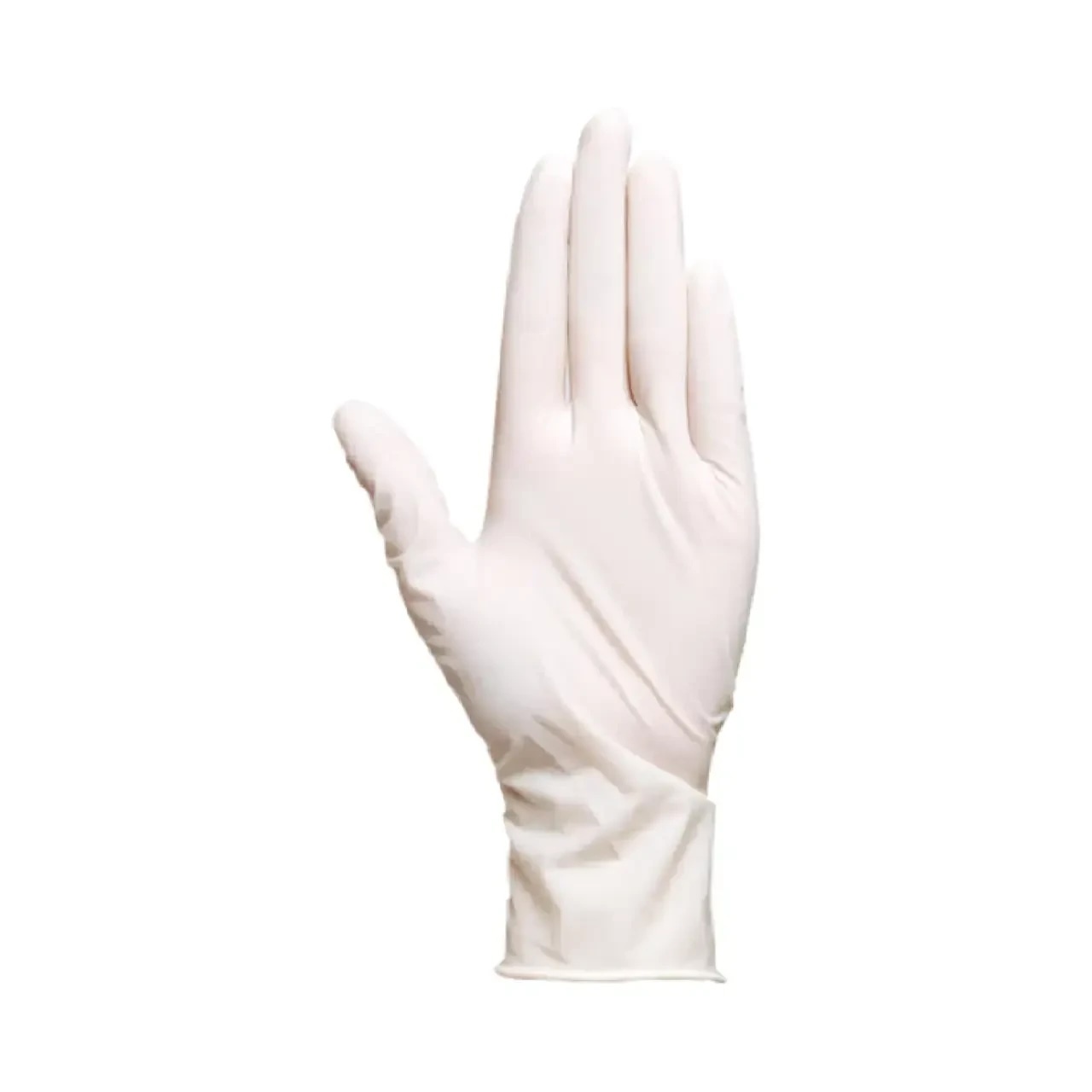
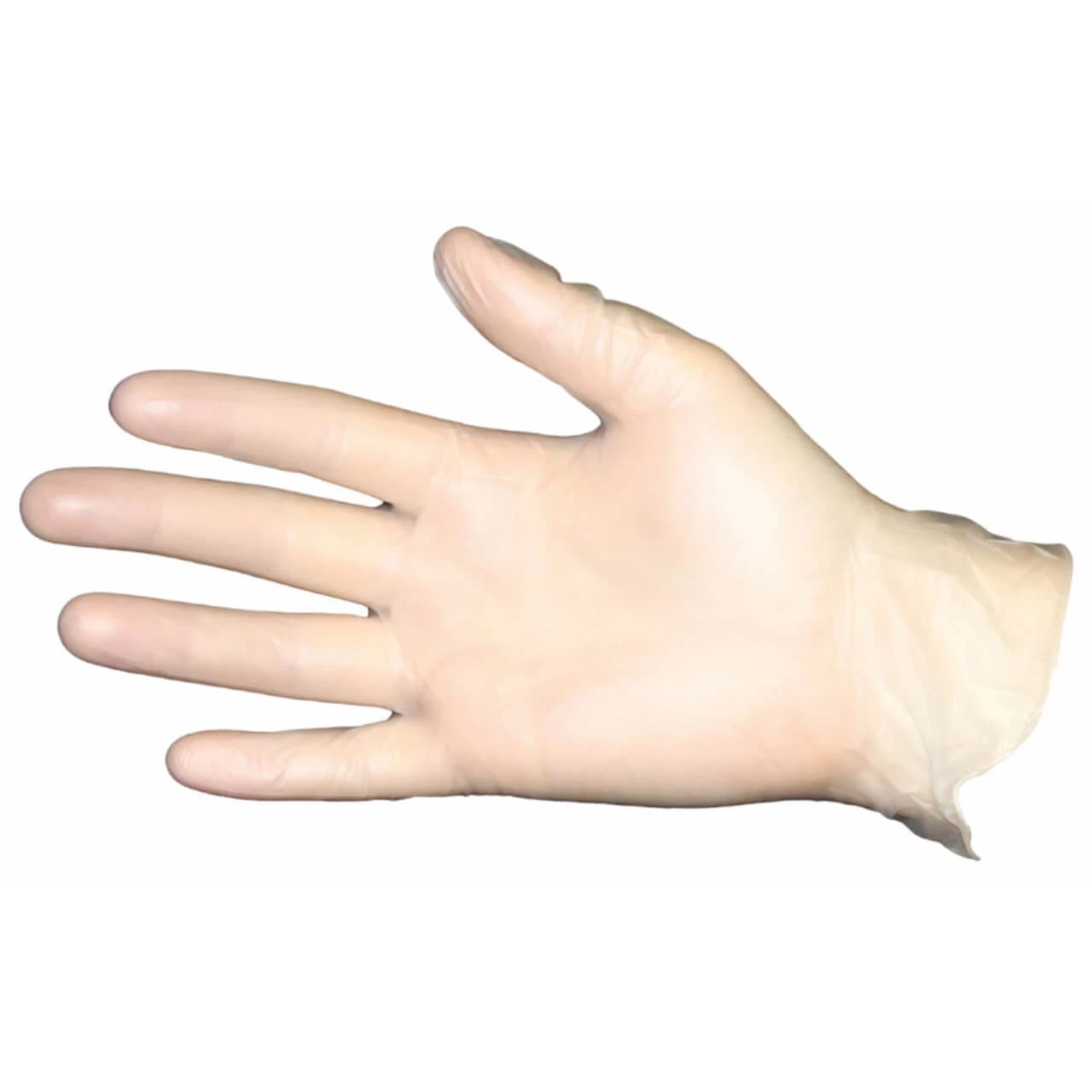
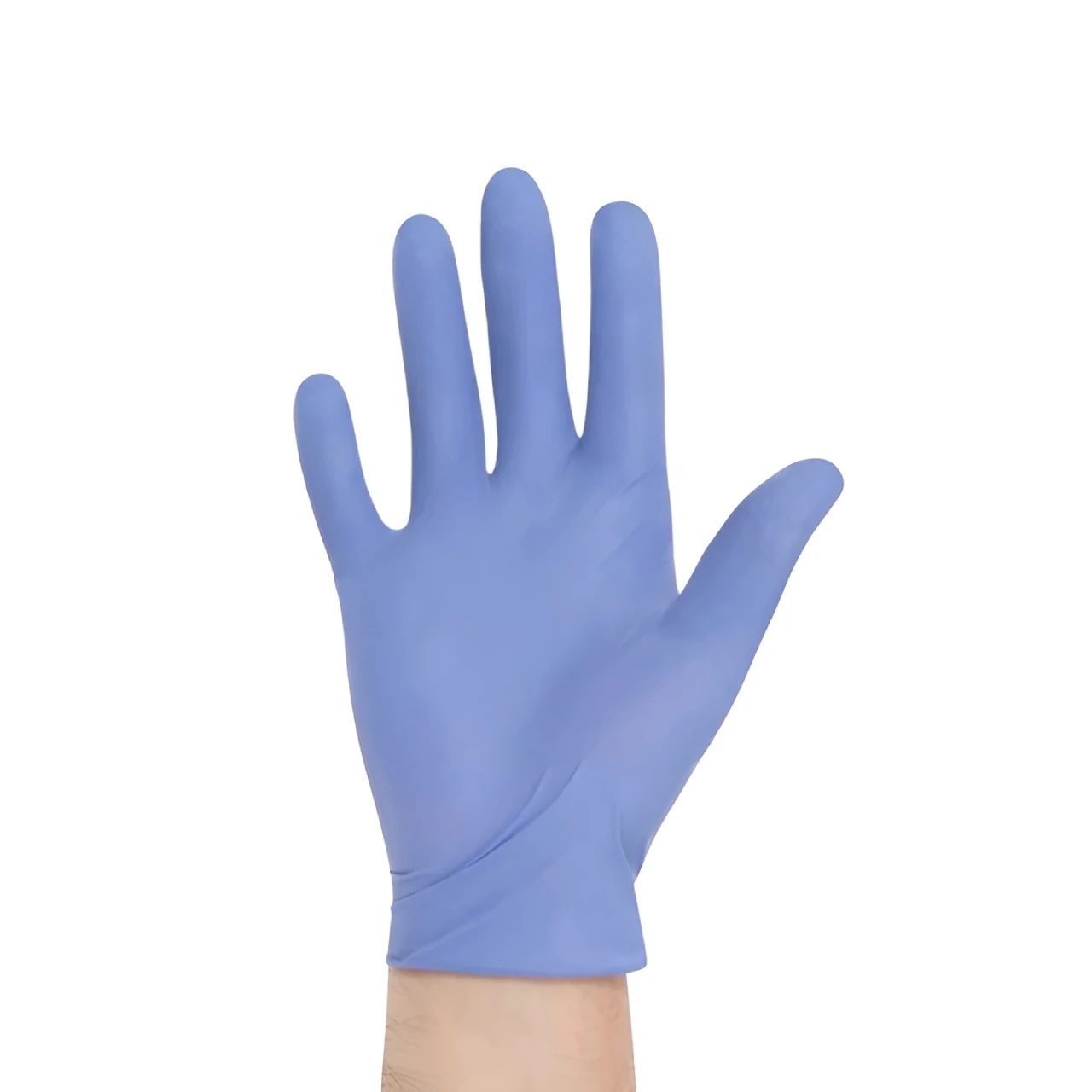
| Latex Gloves | Latex Free Gloves | Nitrile Gloves |
 |
 |
 |
Why Many Workplaces Are Switching to Latex-Free Gloves
Across Australia, more healthcare providers, clinics, and even food service businesses are transitioning to latex-free environments.
Key reasons include:
- Reducing workplace health risks
- Meeting occupational safety guidelines
- Protecting both staff and patients
- Minimising liability related to allergic reactions
This shift has made nitrile gloves the standard in many industries.
Practical Example: Aged Care and Home Support
In aged care settings, caregivers frequently assist with hygiene, wound care, and daily living activities. Using latex gloves in this environment can expose both workers and residents to unnecessary risk.
Switching to nitrile gloves provides:
- Consistent protection against contaminants
- Reduced risk of triggering a latex allergy
- Greater comfort during long shifts
For NDIS providers and home carers, this simple change improves both safety and quality of care.
Common Myths About Latex-Free Gloves
“Vinyl gloves are just as strong as nitrile”
Vinyl gloves are suitable for low-risk tasks but lack the durability needed for medical or high-risk use.
“Nitrile gloves are uncomfortable”
Modern nitrile gloves are designed for flexibility and comfort, often matching or exceeding latex in feel.
“Latex allergies are rare”
While not everyone is affected, repeated exposure significantly increases the risk—especially in professional settings.
Key Points to Remember
- A latex allergy can range from mild irritation to severe reactions
- Nitrile gloves are the safest and most versatile alternative
- Vinyl gloves are suitable for low-risk, short-term use
- Neoprene offers flexibility for specialised applications
- Powder-free, certified gloves are the safest choice
- Switching to latex-free gloves improves safety for everyone
Final Thoughts
Choosing the right gloves isn’t just about compliance—it’s about protecting people. Whether you’re working in healthcare, supporting someone at home, or managing a business, using latex-free gloves helps reduce the risk of allergic reactions while maintaining high standards of hygiene and safety.
Alpha Medical Solutions offers a wide range of trusted, high-quality gloves to suit every application—helping you make safer, more informed choices every day.
| Alpha Medical Solutions Pty Ltd. |
| Call us on: 1300-783-747 |
| Email: info@alphamedicalsolutions.com.au |

Frequently Asked Questions
What gloves are best for people with a latex allergy?
Nitrile gloves are widely considered the best option because they are latex-free, durable, and suitable for both medical and general use.
Can nitrile gloves cause an allergic reaction?
True nitrile allergies are very rare, but some individuals may experience mild irritation from additives. High-quality gloves minimise this risk.
Are vinyl gloves a good alternative to latex?
Yes, vinyl gloves are latex-free and suitable for low-risk tasks, but they do not offer the same durability or protection as nitrile.
Why are powder-free gloves recommended?
Powder-free gloves reduce the risk of airborne allergens and contamination, making them safer for both users and surrounding individuals.