

Why Listening Matters in Modern Healthcare
Stethoscopes remain one of the most recognisable and valuable tools in healthcare. Despite advances in medical imaging, digital monitoring devices, and artificial intelligence, the humble stethoscope continues to play a critical role in patient assessment and diagnosis.
From general practitioners and nurses to paramedics and specialists, healthcare professionals rely on stethoscopes every day to listen to heart sounds, lung sounds, and other internal body noises that provide important clues about a patient's health.
In this article, we'll explain why stethoscopes are important, how they are used, what healthcare professionals listen for, and why high-quality models such as the Littmann Stethoscope range remain trusted throughout the medical industry.
What Is a Stethoscope?
A stethoscope is a medical instrument designed to amplify sounds produced inside the body. It allows healthcare professionals to perform auscultation—the process of listening to internal sounds such as:
- Heartbeats
- Lung sounds
- Blood flow
- Bowel sounds
The ability to quickly assess these sounds helps clinicians identify abnormalities and determine whether further investigation or treatment is required.
Healthcare providers across hospitals, clinics, aged care facilities, emergency services, and home healthcare settings use stethoscopes as part of routine patient assessments.
For a range of professional-quality options, browse our collection of stethoscopes.
Why Are Stethoscopes Important?
They Provide Immediate Clinical Information
One of the greatest advantages of a stethoscope is the ability to obtain immediate information without requiring complex equipment.
Healthcare professionals can assess:
|
Assessment Area |
What Can Be Detected |
|---|---|
|
Heart |
Murmurs, irregular rhythms, abnormal heart sounds |
|
Lungs |
Wheezing, crackles, reduced airflow |
|
Abdomen |
Bowel activity and digestive function |
|
Blood Vessels |
Abnormal blood flow sounds |
This rapid assessment helps clinicians make informed decisions quickly, particularly in emergency situations.
They Support Early Detection of Health Conditions
Listening to body sounds can reveal early signs of illness before symptoms become severe.
Examples include:
- Heart valve disorders
- Pneumonia
- Asthma
- Chronic obstructive pulmonary disease (COPD)
- Heart failure
- Intestinal obstruction
Early detection often leads to earlier intervention and improved patient outcomes.
According to the Better Health Victoria stethoscopes are good for listening to internal body sounds, such as the sounds made by the heart, lungs or abdominal organs
How Are Stethoscopes Used?
Assessing Heart SoundsHealthcare professionals listen for the normal "lub-dub" sounds produced by heart valves closing during each heartbeat. A stethoscope may help identify:
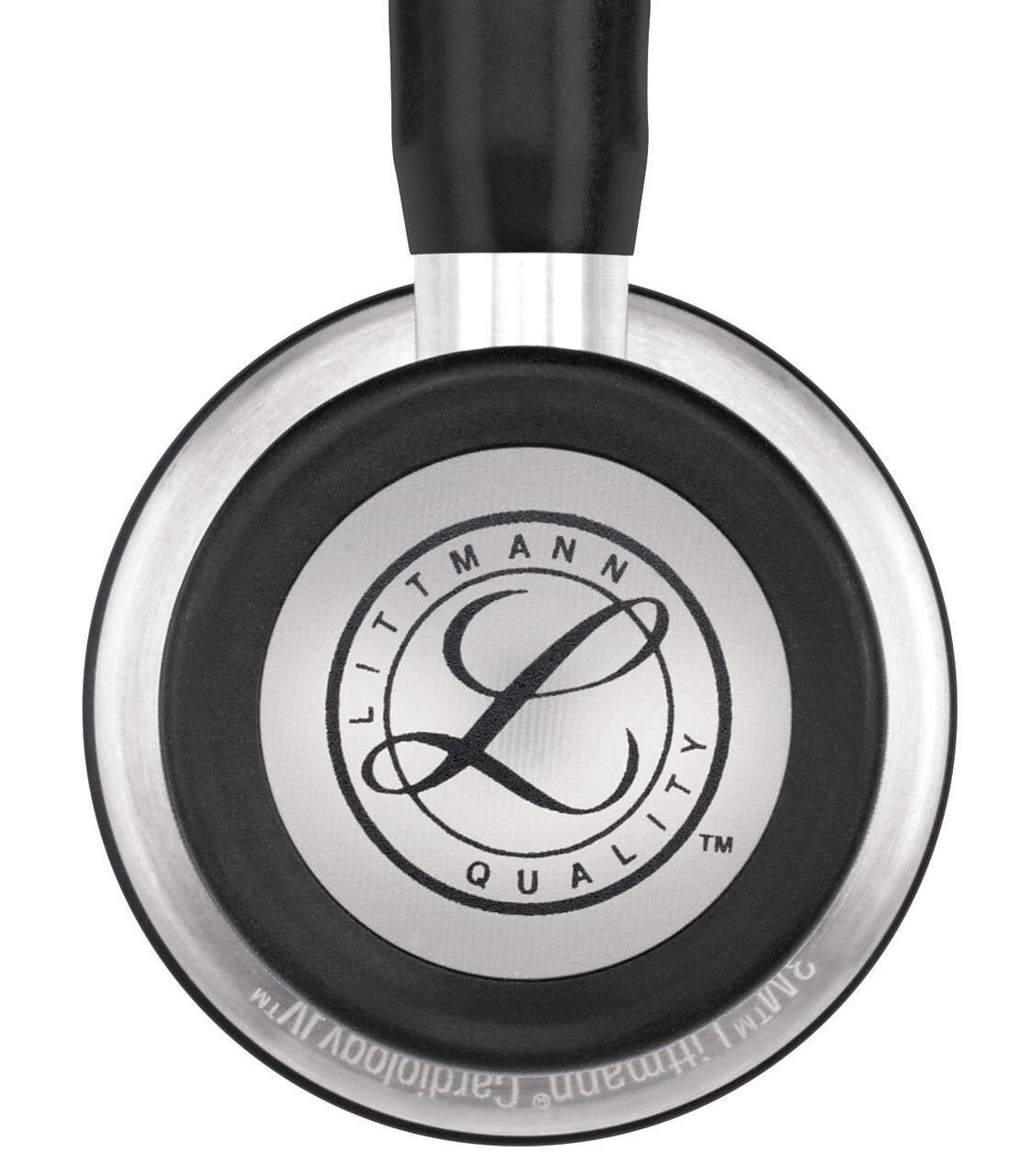
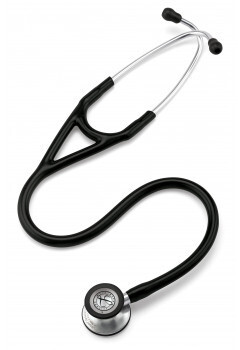
Cardiology specialists often prefer premium acoustic devices such as the Cardiology IV Littmann because of its enhanced sound quality and ability to detect subtle abnormalities. |
Evaluating Lung FunctionListening to the lungs can provide valuable information about respiratory health. Clinicians may detect:
This information can help determine whether further testing such as chest imaging or pulmonary function tests is necessary. |
|
Monitoring Blood PressureMost manual blood pressure measurements require a stethoscope. Healthcare professionals listen for Korotkoff sounds while using a sphygmomanometer to determine:
Although automated monitors are common, manual measurements remain an important clinical skill. |
Assessing Digestive FunctionBowel sounds provide insight into gastrointestinal activity. Healthcare professionals may use a stethoscope to evaluate:
|
Why Healthcare Professionals Choose Littmann Stethoscopes
When discussing stethoscopes, the Littmann name is widely recognised for quality and reliability.
Manufactured by 3M, Littmann stethoscopes are trusted by healthcare professionals around the world because they provide excellent acoustic performance, durability, and comfort.
Littmann Classic III StethoscopeThe Littmann Classic III Stethoscope is one of the most popular choices for:
Benefits include:
The 3M Littmann Classic III Stethoscope offers an ideal balance between performance and affordability. |
Littmann Cardiology IV StethoscopeThe Cardiology IV Littmann and Cardiology Littmann IV models are designed for clinicians who require exceptional sound quality. Common users include:
Advantages include:
|
|
|
|
 |
Explore the full range of Littmann stethoscopes available from Alpha Medical Solutions.
Acoustic vs Digital Stethoscopes
Modern healthcare professionals can choose between traditional acoustic stethoscopes and newer digital models.
|
Feature |
Acoustic Stethoscope |
Digital Stethoscope |
|---|---|---|
|
Power Source |
Not required |
Battery powered |
|
Sound Amplification |
Manual |
Electronic |
|
Recording Capability |
No |
Yes |
|
Cost |
Lower |
Higher |
|
Ease of Use |
Simple |
More advanced |
While digital technology continues to evolve, traditional acoustic stethoscopes remain the preferred option for many clinicians due to their reliability and simplicity.
Choosing the Right Stethoscope
The ideal stethoscope depends on your clinical role and environment.
For Medical Students
Look for:
- Lightweight design
- Good acoustic quality
- Durability
- Affordable pricing
The Littmann Classic III Stethoscope is a popular choice.
For General Practice and Nursing
Consider:
- Versatility
- Comfort during extended use
- High-quality acoustics
For Specialist and Cardiology Use
Look for:
- Exceptional acoustic sensitivity
- Advanced chestpiece design
- Enhanced low-frequency sound detection
Models such as the Cardiology IV Littmann are designed for these demanding applications.
The Continuing Importance of Stethoscopes in Modern Medicine
Despite rapid technological advancements, stethoscopes remain one of the most valuable diagnostic tools available.
Their importance comes from several key advantages:
- Immediate patient assessment
- Non-invasive examination
- Cost-effective diagnostic support
- Portability
- Reliability
- Clinical versatility
Healthcare professionals can quickly gather meaningful information that guides further investigation, diagnosis, and treatment.
Whether you're a student learning clinical skills, a nurse performing routine assessments, or a specialist managing complex cases, a quality stethoscope remains an essential piece of medical equipment.
Summary
The stethoscope continues to be one of healthcare's most important diagnostic tools. It allows clinicians to assess heart, lung, bowel, and vascular sounds quickly and effectively. High-quality models such as the Littmann Classic III Stethoscope and Cardiology IV Littmann deliver exceptional acoustic performance that supports accurate patient assessment. Even in today's technology-driven healthcare environment, stethoscopes remain indispensable for patient care, early detection, and clinical decision-making.
If you're looking for a reliable stethoscope for study, clinical practice, or specialist use, explore the full range of premium stethoscopes and Littmann products available from Alpha Medical Solutions.
| Alpha Medical Solutions Pty Ltd. |
| Call us on: 1300-783-747 |
| Email: info@alphamedicalsolutions.com.au |

Frequently Asked Questions
Why is a stethoscope important in healthcare?
A stethoscope allows healthcare professionals to listen to internal body sounds such as heartbeats, lung sounds, blood flow, and bowel activity. These sounds provide valuable information that supports diagnosis, monitoring, and treatment decisions.
What is the difference between a Littmann Classic III Stethoscope and a Cardiology IV Littmann?
The Littmann Classic III Stethoscope is designed for general clinical use, while the Cardiology IV Littmann provides enhanced acoustic performance for detecting subtle heart and lung sounds in more demanding clinical environments.
Can stethoscopes detect heart problems?
Yes. Stethoscopes can help healthcare professionals identify abnormal heart sounds, murmurs, irregular rhythms, and other indicators that may require further cardiac investigation.
Do nurses use stethoscopes?
Yes. Nurses regularly use stethoscopes to assess patients, monitor vital signs, listen to lung and heart sounds, and support ongoing clinical care.